How to Start Learning Cybersecurity With BlackBoxCTF
30 Cybersecurity Roadmap featured on our blog
The fastest way to learn cybersecurity is to break things legally, and a Capture the Flag (CTF) platform like BlackBoxCTF gives you a safe place to do it. This guide shows how to go from zero to solving your first challenges with a clear routine.
Why CTFs are the best way to start
A CTF is a competition where you solve security puzzles to find a hidden string called a flag. Each flag proves you actually exploited, decoded or analysed something, so you learn by doing instead of memorising theory.
CTFs help beginners in four ways:
- Real skills: you use the same tools professionals use, such as Burp Suite, Wireshark, Ghidra and Python.
- Safe practice: every target is built to be attacked, so nothing you try is illegal or harmful.
- Instant feedback: a submitted flag is either right or wrong.
- A portfolio: your solved challenges and write-ups show employers and bug bounty programs that you can do the work.
The most common format for newcomers is Jeopardy-style, where challenges sit in a grid of categories such as Web, Crypto, Forensics and Reverse Engineering, with points that grow with difficulty.
Set up your lab before you register
Spend one evening on setup so you never have to stop mid-challenge.
Install a virtual machine. Use VirtualBox or VMware with Kali Linux or Parrot OS, so experiments stay isolated from your main system (If you need a simple setup, go with WSL).\
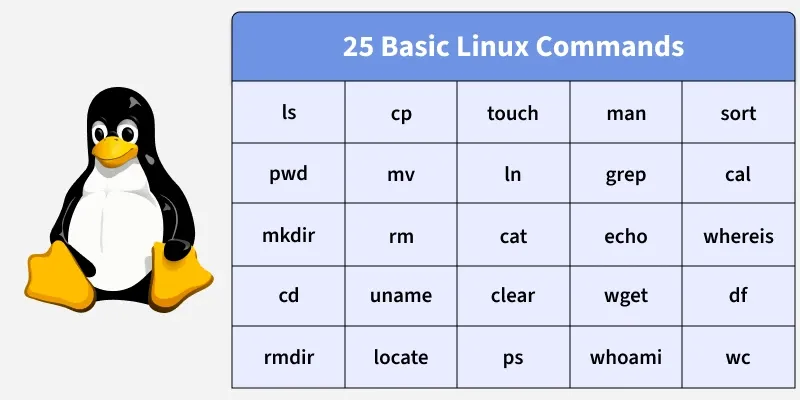
Learn the Linux terminal. Get comfortable with
ls,cd,grep,find,cat,strings,file,curland file permissions.Install Python 3. Most CTF scripting, from decoding data to talking to a server, is a few lines of Python.
Add the core tools: Burp Suite Community (web), Wireshark (network traffic), Ghidra (reverse engineering), CyberChef (encoding and crypto), and a hex editor.
Start a notes system. Use Obsidian, Notion or a plain Markdown folder, and record every challenge: what you tried, what failed, what worked.
Your notes become the write-ups that prove your skills later.
A 30-day roadmap
Practise 45 to 90 minutes a day. Consistency beats marathon weekends.
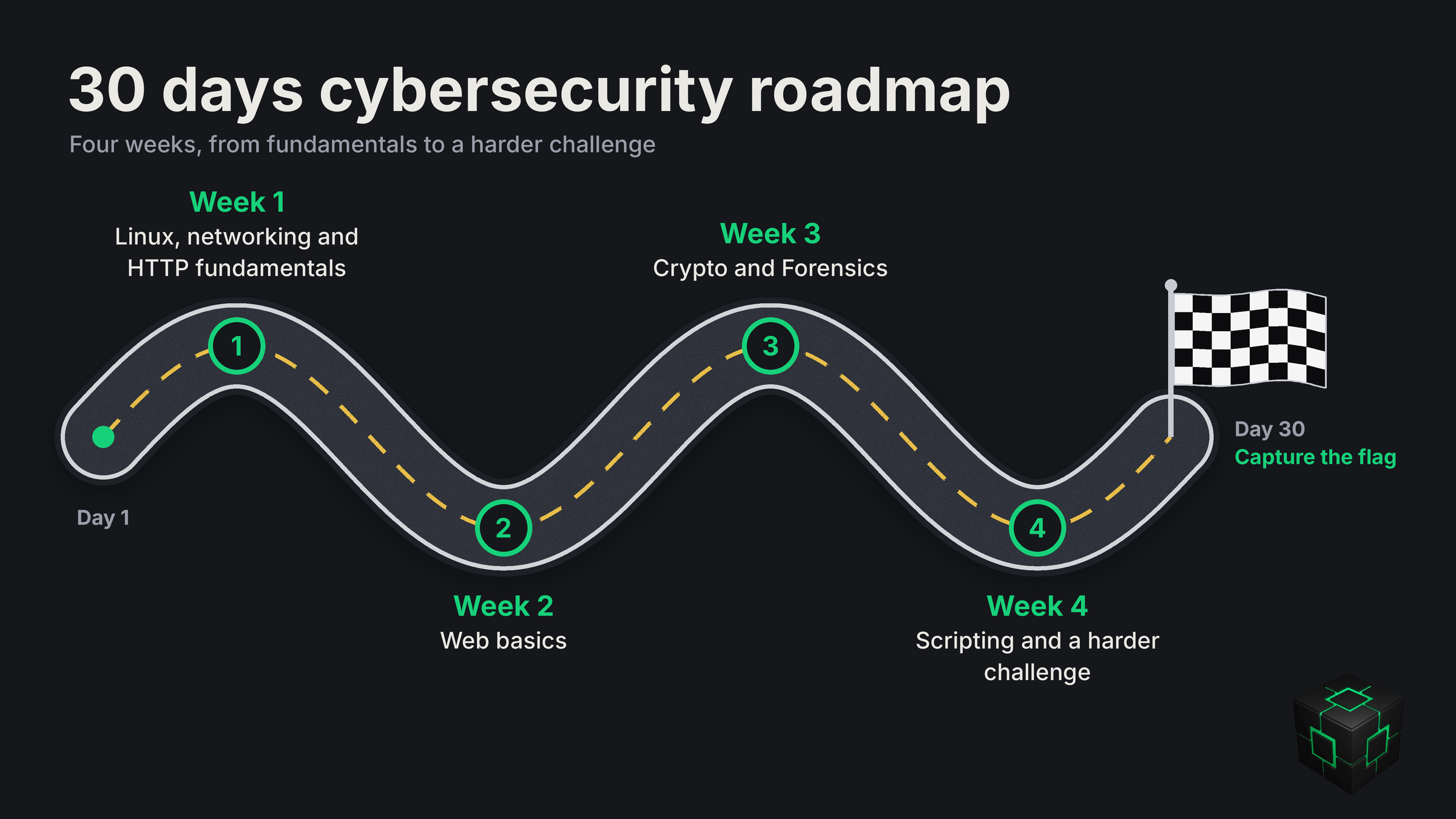
| Week | Goal |
|---|---|
| 1 | Finish the easiest challenges on BlackBoxCTF; solve 3 to 5 |
| 2 | Understand requests, cookies and common injection flaws; solve 3 web challenges |
| 3 | Decode layered encodings and inspect files for hidden data; solve 4 challenges |
| 4 | Automate a repeated task in Python and write up your first full solution |
After day 30, review your notes, pick your weakest category and repeat the cycle with medium-difficulty challenges.
Common beginner mistakes
- Jumping to advanced challenges. It drains motivation; climb difficulty gradually.
- Copying write-ups. Read one only after a real attempt, then redo the challenge yourself.
- Giving up too fast. Many challenges need patience; being stuck is where learning happens.
- Skipping the fundamentals. Weak Linux, networking or HTTP knowledge slows every category.
Beyond BlackBoxCTF
Use BlackBoxCTF as your main practice ground, and add these to widen your skills:
- TryHackMe: guided learning paths with CTF-style rooms.
- Hack The Box: realistic machines, with Starting Point labs for beginners.
- OverTheWire: war games that teach Linux, cryptography and network basics.
Once you have a few dozen solves, try a live team CTF from CTFtime, then apply the same mindset to legal bug bounty programs within their stated scope.
Final word
You do not need to be a genius to start; you need a lab, a routine and curiosity. Solve one challenge today, write it up tonight and repeat tomorrow.
About the author
- Cybersecurity Learning and CTF Platform
Comments
Join the discussionNo comments yet. Be the first to comment.